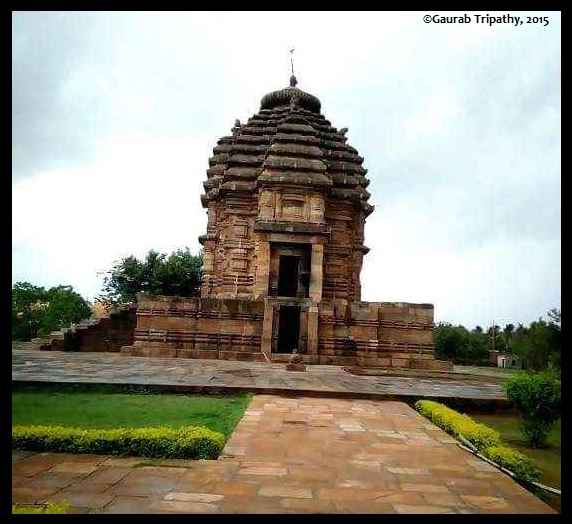
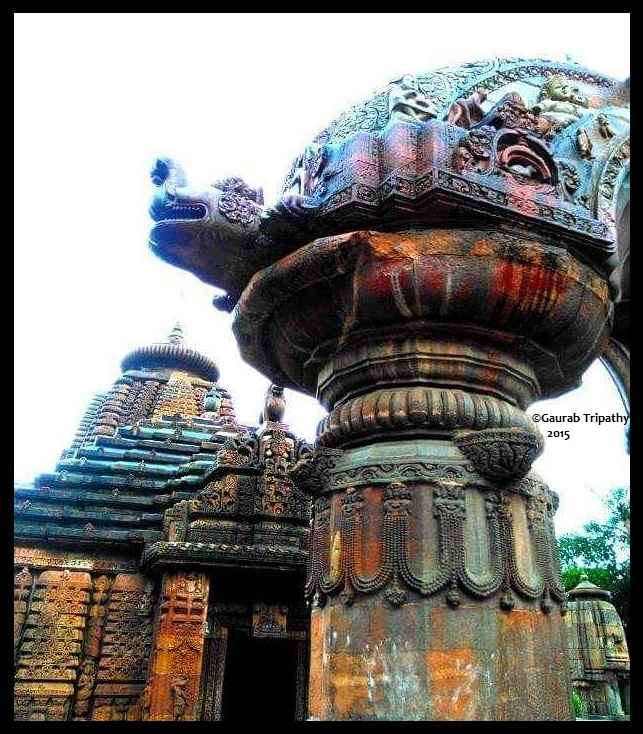
Recently I had a trip to the Konark Sun temple of Puri district in Odisha located at about 65 KM from the capital, Bhubaneshwar.
Chandrabhaga Beach:
Chandrabhaga Beach is situated three km east of the Sun temple of Konark, in the Puri district in the state of Odisha. It is 30 km from the city of Puri. Formerly Chandrabhaga was considered a place of natural cure for lepers.
The road condition was too good and it did not take us much time to reach the Chandrabhaga Beach to have a view of sun-rise. Unfortunately it was cloudy and we missed it. Yet we had a wonderful start at the soothing waves of the beach.


After spending almost 1 Hr at the beach, we headed towards the "Ramachandi Temple" through the Marine drive. The feeling of driving on a wide road which seems to have opened its arms wide for you, with the beach on one side and a sanctuary on the other, was awesome.


Ramachandi Temple:
It is situated 7 km before Konark on the Marine drive road from Puri to Konark. Ramachandi is popularly believed the presiding deity of Konark, and the most benevolent Chandi known. It is certainly more ancient than the Sun Temple at Konark. From the architectural point of view, the temple of Ramachandi is not important but from the religious point of view, it is one of the famous Sakta pithas of Orissa.
A legend regarding the deity is popular among the locals. Kalapahad, the rebel Hindu Brahmin youth who got converted to Islam, vowed to destroy all the temples of Hindu worship during 17th century. After destroying the Sun temple, Kalapahad approached Ramachandi temple to destroy it. Then Goddess Ramachandi dressed as a Maluni (a maid servant) asked Kalapahad to wait at the door till she brings water from the river for the Goddess. Kalapahad anxiously waited for a long time to get some cold water. When it was too late and the Maluni did not return he was exhausted and entered inside the temple and found the throne empty. Then he thought the Maluni took away the deity with her and with anger he followed the Maluni. When he reached the bank of the Kushabhadra river he found the goddess Ramachandi floating in the middle of the river. At that time the river was outpouring, so he came back without being able to reach the middle of the river. Then Goddess Ramachandi came in dream of a Panda (priest) and told him to build a temple on the bank of the Kushabhadra river. This place is now known as Ramachandi.
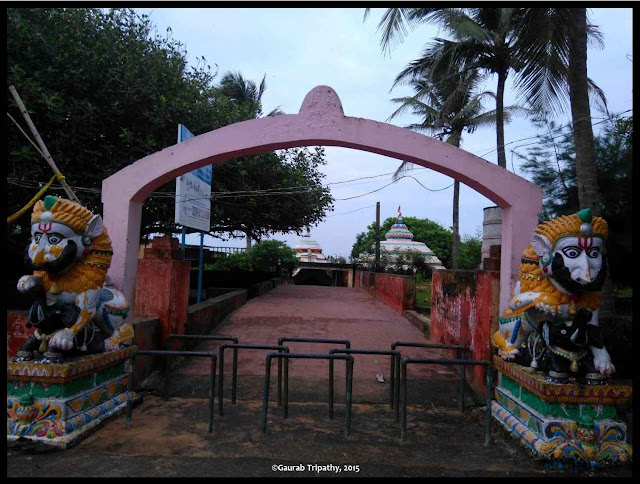


Before we reach the Sun temple, we stopped for a while to have the traditional coconut water and Odia Thali re-mixed with North Indian Paratha and Lassi with our very own RasaGola.


The Sun Temple:
"Here the language of stone surpasses the language of man." — Rabindranath Tagore
Konark Sun Temple is a 13th-century Sun Temple at Konark in Odisha. It is believed that the temple was built by king Narasimhadeva I of Eastern Ganga Dynasty around 1250 CE. The temple is in the shape of a gigantic chariot elaborately carved stone wheels, pillars and walls. A major part of the structure is now in ruins. The temple is a UNESCO World Heritage Site. It is also featured on NDTV's list of Seven Wonders of India and Times of India's list of Seven Wonders of India.
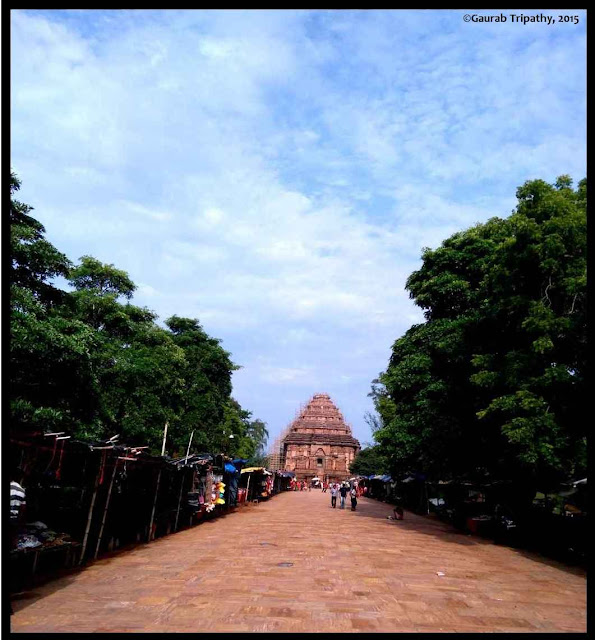


The name Konark derives from the combination of the Sanskrit words, Kona (corner) and Arka (sun), in reference to the temple which was dedicated to the Sun god Surya.The temple was originally built at the mouth of the river Chandrabhaga, but the waterline has receded since then. The temple has been built in the form of a giant ornamented chariot of the Sun god, Surya. It has twelve pairs of elaborately carved stone wheels which are 3 meters wide and is pulled by a set of seven horses (4 on the right and 3 on the left).The temple follows the traditional style of Kalinga architecture. It is carefully oriented towards the east so that the first rays of sunrise strikes the principal entrance. The temple is built from Khondalite rocks.


Chhena jhili:
As I mentioned earlier, no trip in Odisha can be complete without tasting the unique sweet desserts it offers. While returning to Bhubaneswar, you can take a halt at a small village called Nimapada to have this famous dessert , Chhena jhili(Odia: ଛେନାଝିଲି) .It is prepared in fried cheese and sugar syrup and was first prepared by Aarta Sahoo from the Shyam Sundarpur Village of Nimapara.


Chandrabhaga Beach:
Chandrabhaga Beach is situated three km east of the Sun temple of Konark, in the Puri district in the state of Odisha. It is 30 km from the city of Puri. Formerly Chandrabhaga was considered a place of natural cure for lepers.
The road condition was too good and it did not take us much time to reach the Chandrabhaga Beach to have a view of sun-rise. Unfortunately it was cloudy and we missed it. Yet we had a wonderful start at the soothing waves of the beach.


[My Odisha]
After spending almost 1 Hr at the beach, we headed towards the "Ramachandi Temple" through the Marine drive. The feeling of driving on a wide road which seems to have opened its arms wide for you, with the beach on one side and a sanctuary on the other, was awesome.


Ramachandi Temple:
It is situated 7 km before Konark on the Marine drive road from Puri to Konark. Ramachandi is popularly believed the presiding deity of Konark, and the most benevolent Chandi known. It is certainly more ancient than the Sun Temple at Konark. From the architectural point of view, the temple of Ramachandi is not important but from the religious point of view, it is one of the famous Sakta pithas of Orissa.
A legend regarding the deity is popular among the locals. Kalapahad, the rebel Hindu Brahmin youth who got converted to Islam, vowed to destroy all the temples of Hindu worship during 17th century. After destroying the Sun temple, Kalapahad approached Ramachandi temple to destroy it. Then Goddess Ramachandi dressed as a Maluni (a maid servant) asked Kalapahad to wait at the door till she brings water from the river for the Goddess. Kalapahad anxiously waited for a long time to get some cold water. When it was too late and the Maluni did not return he was exhausted and entered inside the temple and found the throne empty. Then he thought the Maluni took away the deity with her and with anger he followed the Maluni. When he reached the bank of the Kushabhadra river he found the goddess Ramachandi floating in the middle of the river. At that time the river was outpouring, so he came back without being able to reach the middle of the river. Then Goddess Ramachandi came in dream of a Panda (priest) and told him to build a temple on the bank of the Kushabhadra river. This place is now known as Ramachandi.


[The Kusabhadra River kisses the sea here at RamaChandi]
Before we reach the Sun temple, we stopped for a while to have the traditional coconut water and Odia Thali re-mixed with North Indian Paratha and Lassi with our very own RasaGola.


The Sun Temple:
"Here the language of stone surpasses the language of man." — Rabindranath Tagore
Konark Sun Temple is a 13th-century Sun Temple at Konark in Odisha. It is believed that the temple was built by king Narasimhadeva I of Eastern Ganga Dynasty around 1250 CE. The temple is in the shape of a gigantic chariot elaborately carved stone wheels, pillars and walls. A major part of the structure is now in ruins. The temple is a UNESCO World Heritage Site. It is also featured on NDTV's list of Seven Wonders of India and Times of India's list of Seven Wonders of India.


The name Konark derives from the combination of the Sanskrit words, Kona (corner) and Arka (sun), in reference to the temple which was dedicated to the Sun god Surya.The temple was originally built at the mouth of the river Chandrabhaga, but the waterline has receded since then. The temple has been built in the form of a giant ornamented chariot of the Sun god, Surya. It has twelve pairs of elaborately carved stone wheels which are 3 meters wide and is pulled by a set of seven horses (4 on the right and 3 on the left).The temple follows the traditional style of Kalinga architecture. It is carefully oriented towards the east so that the first rays of sunrise strikes the principal entrance. The temple is built from Khondalite rocks.


[ Look who is hiding !!!]


[Chhaya Devi]
Chhena jhili:
As I mentioned earlier, no trip in Odisha can be complete without tasting the unique sweet desserts it offers. While returning to Bhubaneswar, you can take a halt at a small village called Nimapada to have this famous dessert , Chhena jhili(Odia: ଛେନାଝିଲି) .It is prepared in fried cheese and sugar syrup and was first prepared by Aarta Sahoo from the Shyam Sundarpur Village of Nimapara.